Four Days in Morocco:
Rabat and Casablanca
Two cities, four days, and a journey through royal history, ancient ruins, grand mosques and Art Deco streets.
Morocco had long been on my travel list, and this four-day trip let me see two of its most important cities side by side. Rabat, the calm and elegant capital, and Casablanca, the busy Atlantic port, feel very different from each other. I spent my first day and my last day in Rabat and the two days in between in Casablanca, focusing on the historical and cultural buildings that shaped each city.
Rabat: the Kasbah and the unfinished tower
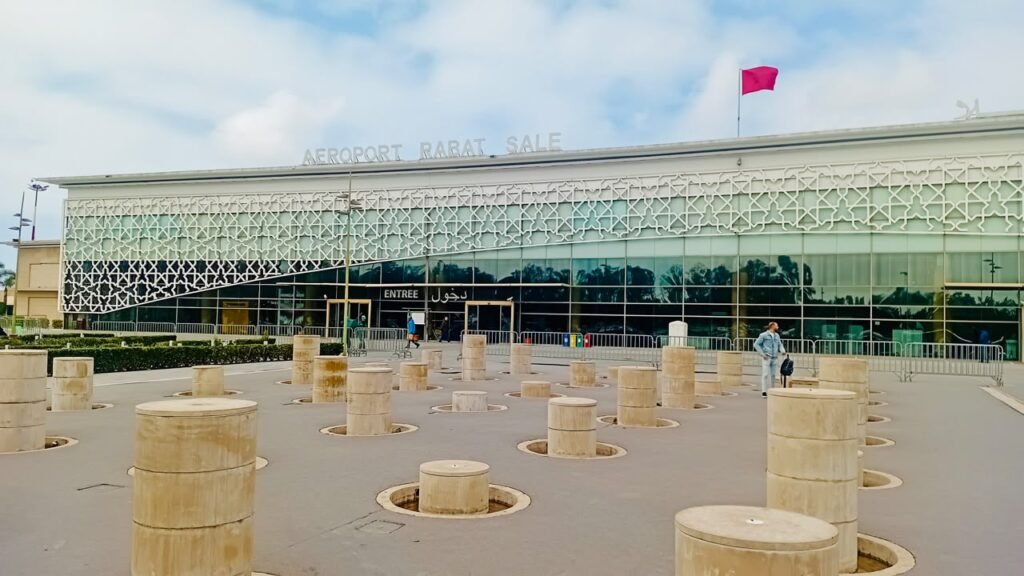
My Moroccan adventure began in Rabat. After arriving and settling in, I wanted to start with the oldest part of the city, so I headed straight for the Kasbah of the Udayas.
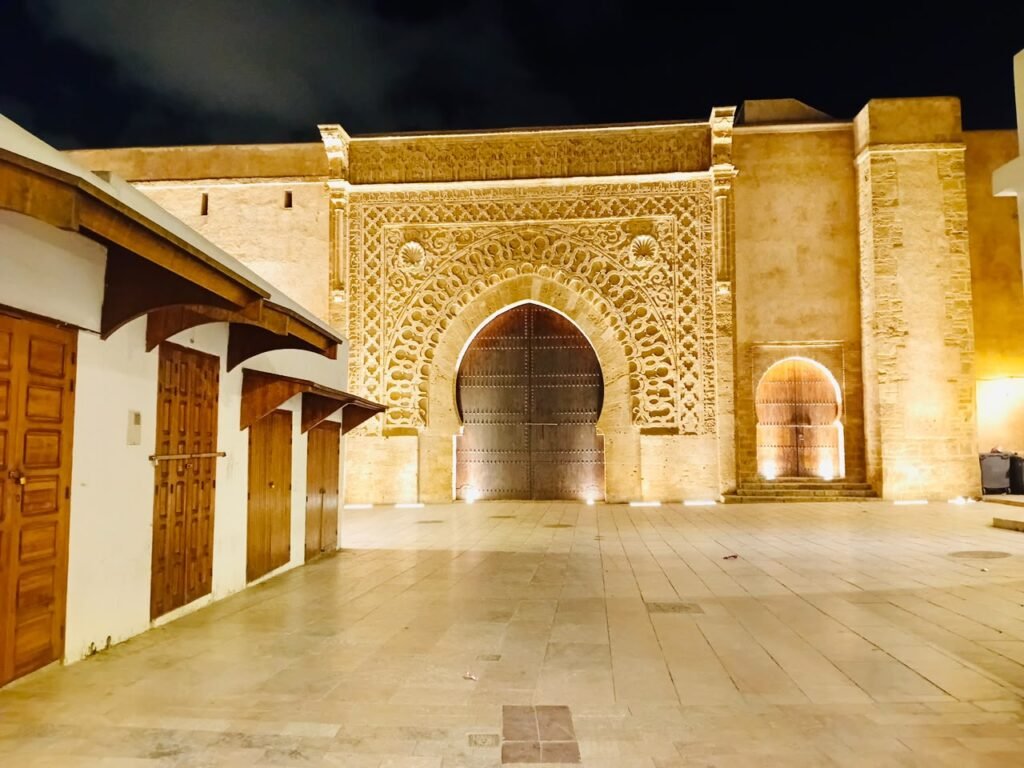
The entrance through the huge Bab Oudaia gate sets the tone. Inside, the narrow lanes are painted in white and blue, and the fortress sits above the mouth of the Bou Regreg river with wide views over the Atlantic. This 12th-century Almohad stronghold was one of the most peaceful places of the whole trip.
Next to the Kasbah are the Andalusian Gardens, a shaded garden of orange trees and flowers that made a quiet break from the sightseeing. From there I walked into the Rabat Medina, where shops, cafés and small workshops fill the streets and daily life carries on as it has for generations.
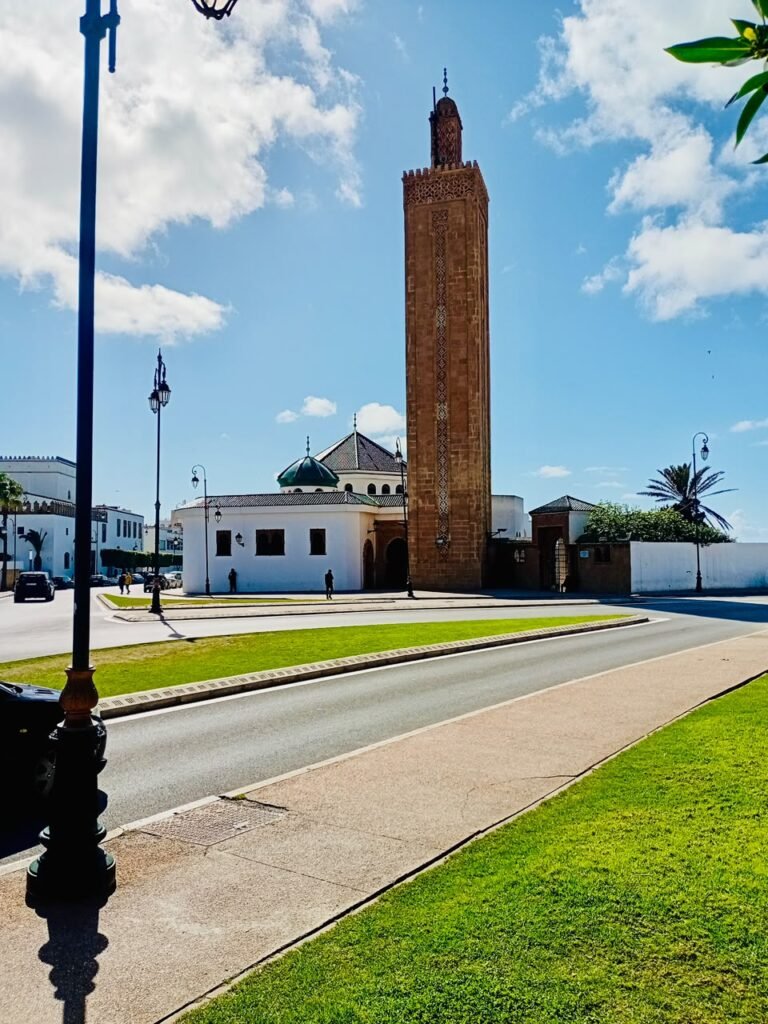
In the late afternoon I visited two of the most famous landmarks in the country. The Hassan Tower is the unfinished minaret of a mosque begun in the 12th century that was never completed, and today rows of stone columns stand around it in an open esplanade. Right across from it is the Mausoleum of Mohammed V, a beautiful white building with green tiles and detailed carving, where the royal tombs are guarded and visitors can look in respectfully.
Day 1 ended with a simple thought: Rabat wears its history calmly, and it is easy to love.
Casablanca: the great mosque and the old city
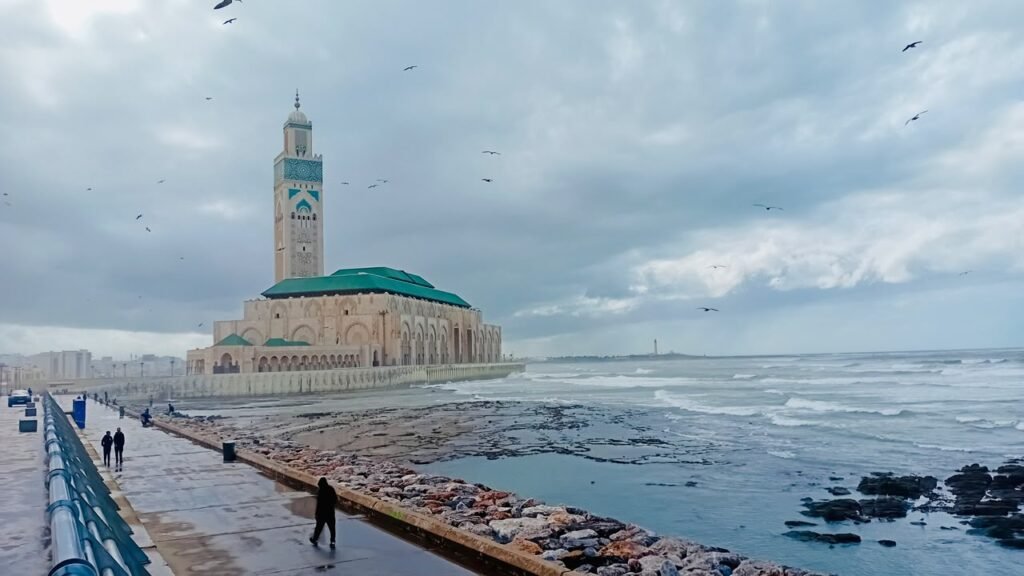
On the second day I moved to Casablanca, Morocco’s largest city, and began with its most famous landmark: the Hassan II Mosque.
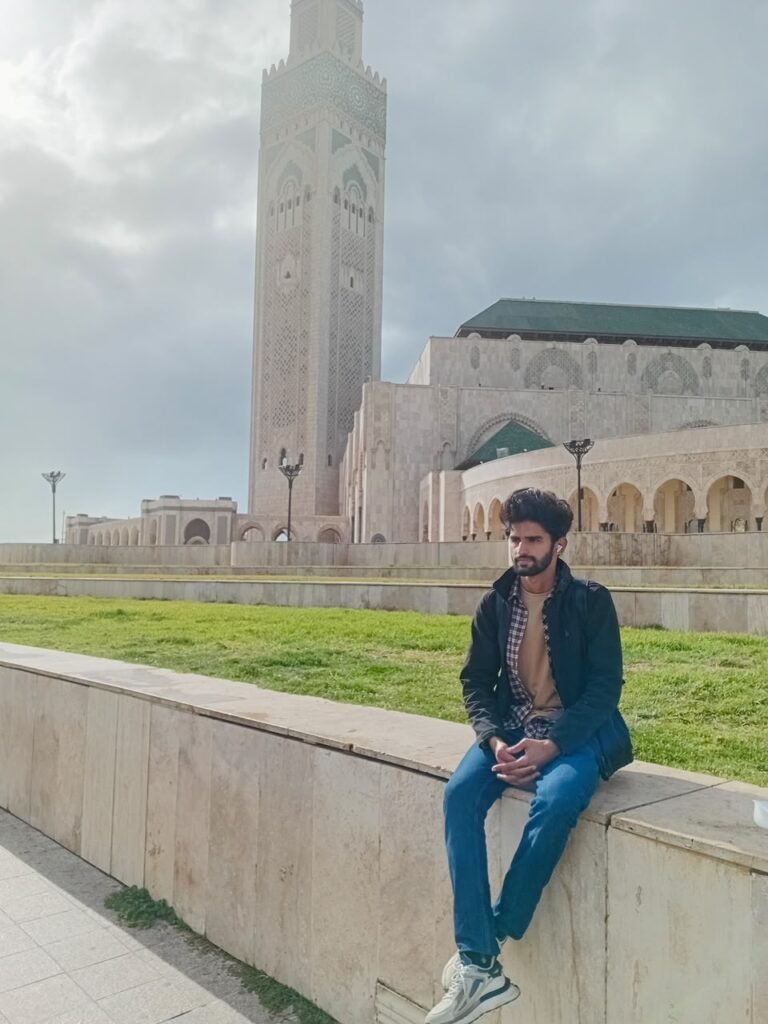
Standing right on the edge of the Atlantic Ocean, it is one of the largest mosques in the world, and its minaret towers over the coastline. I joined a guided tour, which is the way visitors can go inside, and walked through the enormous prayer hall with its marble, carved wood, and zellige tilework. Seeing the ocean from beside the building was unforgettable.
In the afternoon I explored the Old Medina, a smaller, quieter and more local place than the medinas of other Moroccan cities, and then walked to the Skala de la Kasbah, an old sea fortress with cannons pointing over the water.
In the evening I visited Rick’s Café, the restaurant inspired by the classic film Casablanca. It is a stylish place with a courtyard, a piano and an old-Hollywood atmosphere, and a fun way to end the day. Afterwards I took a walk along the Corniche by the sea.
Casablanca: the Habous Quarter and Art Deco streets
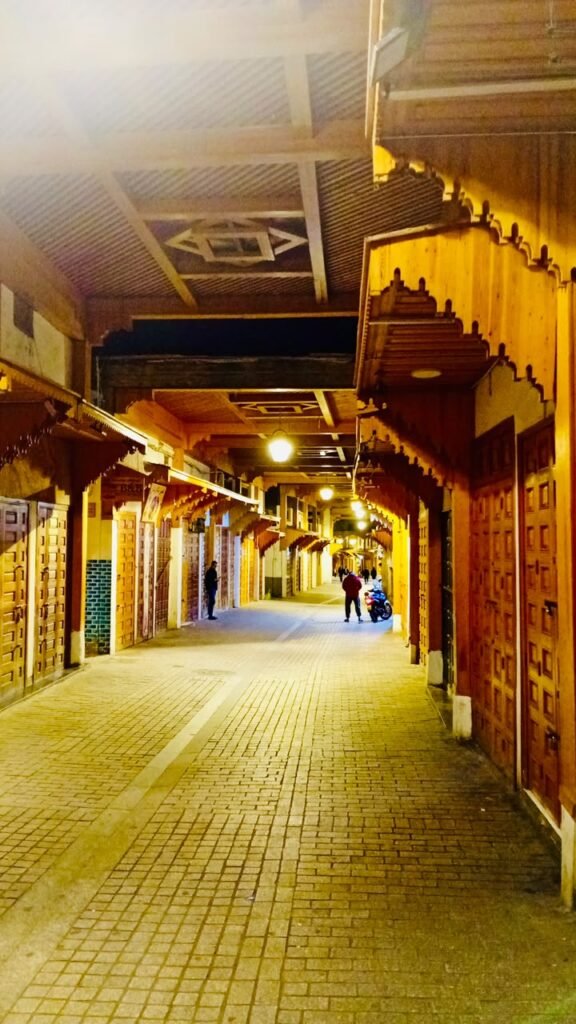
My third day was about the historical and architectural side of Casablanca. I started in the Habous Quarter, also known as the New Medina, built in the 1920s in a Moroccan style with arched arcades, bookshops, pastry shops and quiet courtyards.
Nearby is the Mahkama du Pacha, the former courthouse, whose carved cedar ceilings, plasterwork and painted doors show off the finest Moroccan craftsmanship. Whenever I walked through the Habous Quarter, it felt like stepping into a different era.
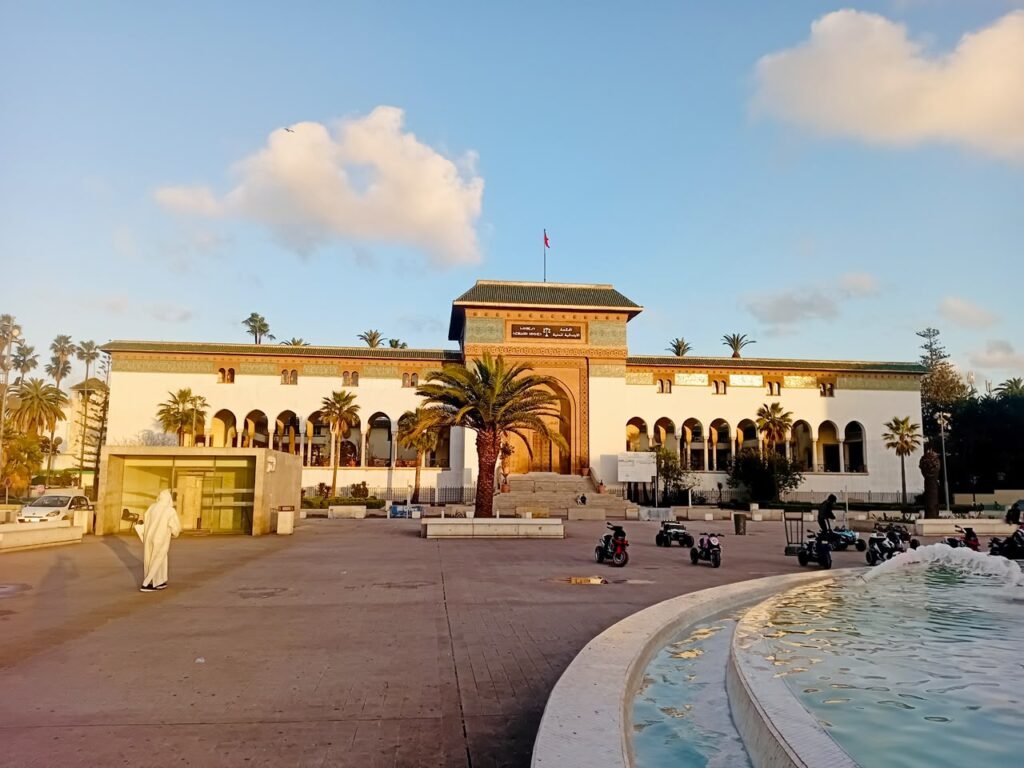
From there I went downtown to Mohammed V Square (also called United Nations Square), surrounded by grand administrative buildings, and to the Sacré-Cœur Cathedral, a striking white Art Deco-style building that now serves as a cultural space. Casablanca is famous for its Art Deco architecture, and simply walking through the streets around the Central Market, looking up at the facades, was a highlight.
I also visited the Museum of Moroccan Judaism, which tells the story of the Jewish community in Morocco and its long place in the country’s culture and history, and finished the day at the lively Central Market.
Back to Rabat: ruins, museums and royal gates
For my last day I returned to Rabat, with a list of places I had not yet seen. My first stop was Chellah, an ancient walled site with Roman ruins from the city of Sala Colonia and a medieval necropolis. Storks nest on the old walls and the gardens grow wild between the stones, which made it one of the most atmospheric places on the whole trip.
From there I visited the Archaeological Museum, which holds treasures from Morocco’s ancient past, and the Mohammed VI Museum of Modern and Contemporary Art, a bright, modern gallery that shows how strong the country’s contemporary art scene has become.
I also walked past the Royal Palace (Dar al-Makhzen), whose huge gates and courtyards can be admired from outside, along with Bab er-Rouah, one of the great Almohad city gates, and the Rabat Cathedral (Saint-Pierre), which reminds you of the many layers of the city’s history.
It was a fitting way to close the trip: from ancient Roman stones to modern art, all in a single day.
Saying goodbye to Morocco
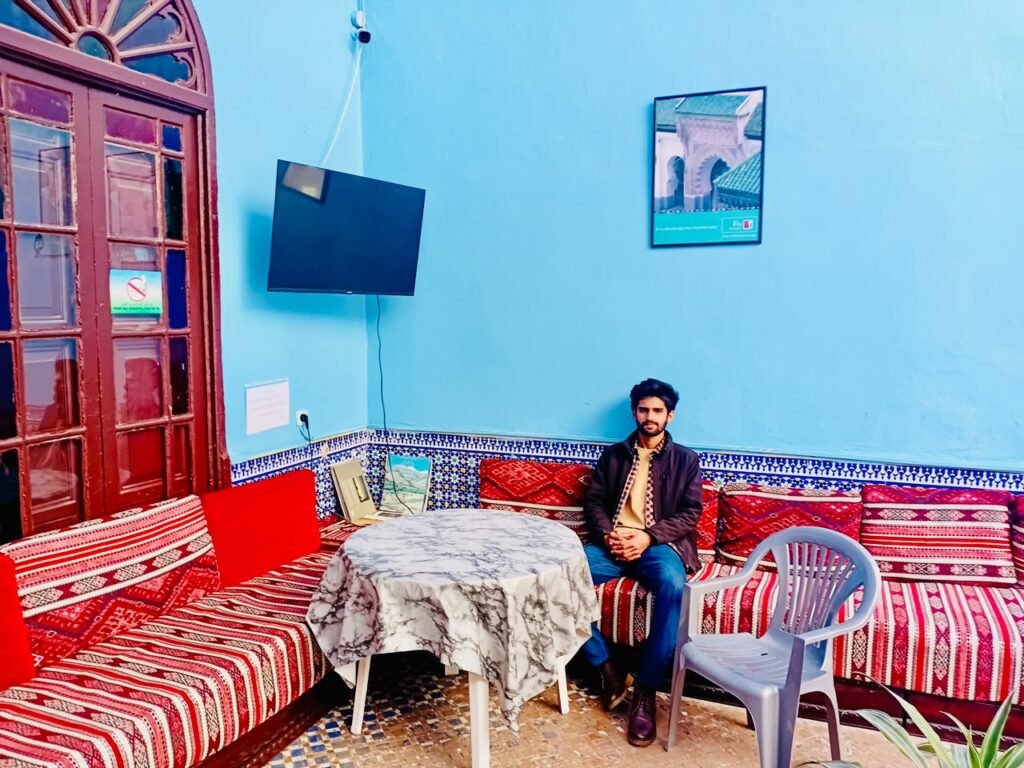
By the end of the fourth day it was time to say goodbye. Sitting quietly and thinking back, I was surprised how much the trip had contained.
From the blue-and-white lanes of the Kasbah of the Udayas and the columns of the Hassan Tower, to the vast Hassan II Mosque beside the ocean, the Habous Quarter, and the Art Deco streets of Casablanca, each day had shown me a different side of the country.
My Morocco experience
Four days is not a long time, but Rabat and Casablanca showed me how rich a short trip can be.
What I enjoyed most was the contrast. Rabat felt calm, elegant and rooted in royal and ancient history, while Casablanca was busy, modern and full of architecture from every era. Together they gave me a fuller picture of Morocco than either could alone.
For me, travelling is about more than ticking off famous places. It is about walking through them, learning their stories, and taking home memories that last.
If you go: small tips
- Dress modestly. Cover shoulders and knees at mosques, mausoleums and other religious or royal sites.
- Book the Hassan II Mosque tour. Guided visits are the way to see inside, so plan your time around the tour schedule.
- Wear comfortable shoes. Medinas, kasbahs and ruins mean plenty of walking on uneven ground.
- Keep some cash. Small shops, cafés and market stalls often prefer it, and polite bargaining is part of shopping in the medinas.
Morocco in four days
| Destination | Morocco |
|---|---|
| Cities | Rabat and Casablanca |
| Duration | 4 days |
| Day 1 | Rabat: Kasbah of the Udayas, Andalusian Gardens, Medina, Hassan Tower, Mausoleum of Mohammed V |
| Days 2 and 3 | Casablanca: Hassan II Mosque, Old Medina, Habous Quarter, Mahkama du Pacha, Sacré-Cœur Cathedral, Museum of Moroccan Judaism |
| Day 4 | Rabat: Chellah, Archaeological Museum, Mohammed VI Museum, Royal Palace, Bab er-Rouah |
| Landmark highlight | Hassan II Mosque |
| Evening experience | Rick’s Café |